Pelikano: Your Window into Pelham Life
Sharing stories and insights from our South London neighbourhood.
Welcome to Pelikano
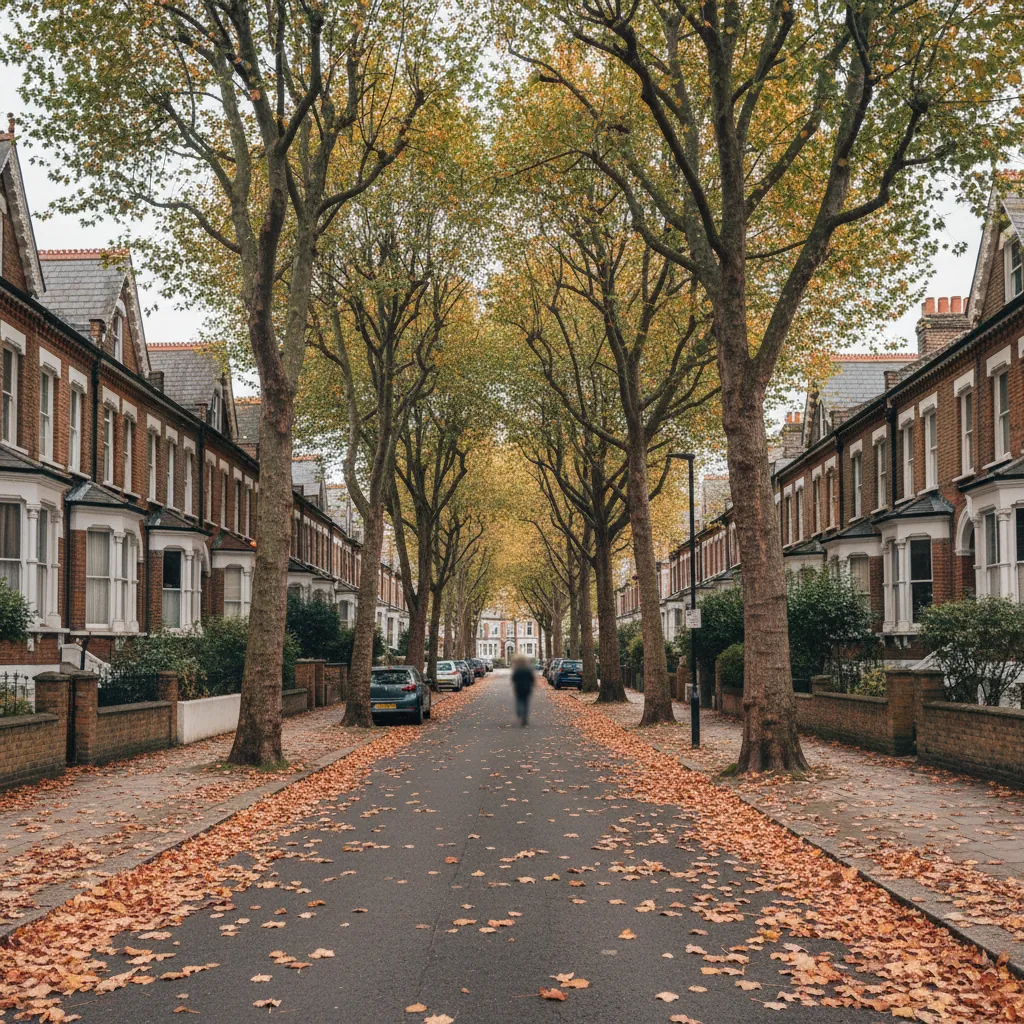
Pelikano started as a simple idea: to document the everyday life of our neighbourhood in South London. Living in Pelham means experiencing a blend of Victorian architecture, independent cafés, and the kind of community spirit that makes you stop and chat with neighbours on the high street. This blog is our way of capturing those moments and sharing what makes this corner of London special.
We write about the small things that matter—the new bakery that opened on the corner, the restoration work at the old library, the seasonal changes in the common. Whether you're a long-time resident, considering a move to the area, or simply curious about life in this part of South London, we hope you'll find something that resonates.
About Pelham and the Surrounding Area
Pelham sits comfortably in South London, roughly twenty minutes from central London by rail. The neighbourhood grew during the Victorian era, and many of those original terraced houses still line the streets today. You'll find a mix of residential roads, a modest high street with independent shops, and several green spaces that locals treasure.
The area benefits from its proximity to larger centres while maintaining a quieter, more residential character. Transport links include regular train services and several bus routes connecting to Brixton, Croydon, and beyond. Local amenities cover the essentials—a post office, several convenience stores, a community centre, and a handful of pubs that have served the neighbourhood for decades.
- Regular rail service to London Bridge and Victoria
- Three primary schools within walking distance
- Weekly farmers' market on Saturdays
- Public library with extended evening hours
- Several parks and green spaces for recreation
Local Stories and Updates
Recent months have seen quiet but meaningful changes around Pelham. The old cinema building on High Street, empty for nearly a decade, has been converted into a mixed-use space with a small theatre and community workshop rooms. Early feedback from residents has been positive, with regular bookings already in place.
The annual street fair returned last month after a two-year absence. Organisers estimated around two thousand people attended, and local traders reported strong sales. Plans are already underway for next year's event, with discussions about expanding into the adjacent park.
On the transport front, the council recently approved funding to improve pedestrian crossings along the main roads. Work should begin before winter, addressing safety concerns that residents have raised for several years.
Community Life
What defines Pelham is its community. The residents' association meets monthly at the community centre, tackling everything from planning applications to organising litter picks. Turnout varies, but there's a core group of volunteers who keep things moving forward.
Several clubs and groups operate from the community centre and local venues. A gardening club maintains the planters along the high street, a book group meets fortnightly at the library, and a youth football club trains at the common every weekend. These aren't grand organisations—they're small, volunteer-run efforts that give the neighbourhood its character.
If you're new to the area or considering getting involved, most groups welcome newcomers. The community notice board outside the post office lists meeting times and contact details, or you can enquire at the library.
Getting Around
Most residents rely on a combination of walking, cycling, and public transport. The neighbourhood is fairly compact, so walking to local shops and schools is straightforward. Cycling has become more popular in recent years, though infrastructure remains patchy—some roads have dedicated lanes, others don't.
For longer journeys, the train station handles most commuter traffic. Peak-hour trains run every twelve to fifteen minutes, with slightly less frequent service outside rush hour. Oyster cards and contactless payment work across all local transport. Fares to central London typically run between three and five pounds depending on the time of day.
Parking can be tight on residential streets, particularly during evenings and weekends. Most roads operate permit schemes, with visitor permits available from the council. If you're driving into central London, expect congestion charges to apply on weekdays.
Practical Information
Housing in Pelham consists mainly of Victorian and Edwardian terraces, with some purpose-built flats from the 1960s and 1970s. Property prices reflect the area's proximity to central London while remaining somewhat below the prices in more fashionable neighbourhoods. Rental costs vary but typically range from eight hundred to fifteen hundred pounds per month for a one or two-bedroom flat.
Local services cover most day-to-day needs. You'll find a GP surgery with four practitioners, a dental practice, and a pharmacy on the high street. For specialist medical care, the nearest hospital is about four miles away. Council services including waste collection and street maintenance operate on regular schedules, with details available through the local authority website.
The neighbourhood appeals to families, young professionals, and retirees alike. It's not the trendiest part of London, nor is it trying to be. What you get is a functional, reasonably priced area with decent transport links and a genuine sense of community—qualities that matter more than flash once you've lived here a while.
Contact
- Pelham Community Centre, 47 Station Road, London SW16 8EQ
- 020 8234 5671
- [email protected]